
Donkey Secondary Antibodies

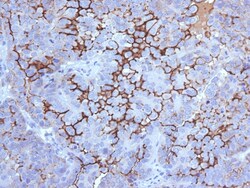
Biotium MUC16 / CA125 (Ovarian Carcinoma Marker)(500000000000), CF647 conjugate, 0.1mg/mL
The mucins are a family of highly glycosylated, secreted proteins with a basic structure consisting of a variable number of tandem repeats (VNTRs). Membrane-associated and secretory Mucins are high molecular weight glycoproteins of the glycocalyx (polysaccharide biofilm) that protects mucosal epithelium from particulate matter and microorganisms. Epithelial Mucins are large, secreted and cell surface glycoproteins crucial for adhesion modulation, signaling and epithelial cell protection. The number of repeats is highly polymorphic and varies among different alleles. The Mucin family consists of Mucins 1-4, Mucin 5 (AC and B), Mucins 6-8, Mucins 11-13 and Mucins 15-17. The Mucin 16 protein (also commonly referred to as CA125), encoded for by the gene MUC16, is a very high molecular weight tumor antigen consisting of three domains: a carboxy terminal domain, an extracellular domain and an amino terminal domain. Mucin 16, an ovarian cancer-associated antigen, is used as a marker

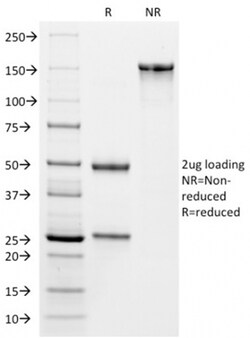
Biotium VISTA / GI24 (Negative Regulator of Immune Response)(VISTA/2864), CF647 conjugate, 0.1mg/mL
VISTA / GI24 is a transmembrane protein expressed in bone, on embryonic stem cells (ESCs), and on tumor cell surfaces. On ESC s, Gi24 appears to positively interact with BMP-4, potentiating BMP signaling and the transition from an undifferentiated to a differentiated state. On tumor cells, Gi24 both promotes MT1-MMP expression and activity and serves as a substrate for MT1-MMP. This increases the potential for cell motility. Mature human Gi24 contains a 162aa extracellular region with one V-type Ig-like domain and a 96aa cytoplasmic domain. Human Gi24 undergoes proteolytic cleavage by MT1-MMP, generating a soluble 30 kDa extracellular fragment plus a 25-30 kDa membrane-bound fragment. VISTA is a negative checkpoint regulator and is expressed on myeloid cells, T-cells and human TILs (tumor infiltrating lymphocytes) on MDSCs (myeloid-derived suppressor cells) in the TME (tumor microenvironment). It is very likely both a ligand and receptor and is a promising target for cancer i

Biotium BOB.1 (B-Cell Marker) (BOB1/2423), CF647 conjugate, 0.1mg/mL
BOB-1 is a transcriptional coactivator that specifically associates with either POU2F1/OCT1 or POU2F2/OCT2, boosting the promoter activity of those complexes. It is essential for the response of B-cells to antigens, required for the formation of germinal centers, and regilates IL-6 expression. BOB-1 expression in a variety of established B-cell lines, representing different stages of B-cell development, has suggested a constitutive, B-cell-specific expression pattern. LP cells in nodular lymphocyte predominant Hodgkin lymphoma, because they are germinal center-derived, are consistently immuno-positive for BOB-1. Conversely, only some cases of classical Hodgkin lymphoma show BOB-1 immuno-reactivity within the Hodgkin and Reed-Sternberg cells. Expression of BOB-1 has been reported in follicular center cell lymphoma, diffuse large B-cell lymphoma and some cases of acute myeloid leukemia. B-CLL, marginal zone lymphoma, and mantle cell lymphoma may show weak to moderate immunoreactivit
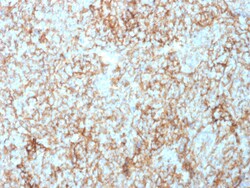
Biotium CD73 (Immuno-Oncology Target)(NT5E/2503), CF647 conjugate, 0.1mg/mL
CD73 (also designated ecto-5'-nucleotidase, E5NT, NT, NT5, NTE, eN and eNT) is a glycosyl-phosphatidylinositol (GPI)-anchored adhesion protein that catalyzes the dephosphorylation of extracellular purine and pyrimidine nucleotides to their corresponding bioactive nucleosides. CD73 is a dimer of two identical subunits that depends on GPI to link with the external face of the plasma membrane. Similar to other GPI-anchored proteins, CD73 mediates co-stimulatory signals in T cell activation. CD73 has few structural variants, yet elicits diverse biological function through differential regulation in endothelial cells (EC), subpopulations of B and T cells, germinal center follicular dendritic cells and on thymic medullary reticular fibroblasts. For example, IgG mediated neutralization of CD73 interferes with lymphocyte adhesion to EC, and blocks aggregation of germinal center B cells and follicular dendritic cells. Furthermore, IgG-mediated targeting of lymphocyte CD73, but not of
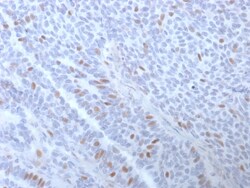
Biotium Estrogen Receptor, alpha (Marker of Estrogen Dependence)(ESR1/3373), CF647 conjugate, 0.1mg/mL
This monoclonal antibody is specific to estrogen receptor alpha (ER alpha) and shows minimal cross-reaction with other members of the family. ER is an important regulator of growth and differentiation in the mammary gland. Presence of ER in breast tumors indicates an increased likelihood of response to anti-estrogen (e. g. tamoxifen) therapy. It strongly stains nuclei of epithelial cells in breast carcinomas. Primary antibodies are available purified, or with a selection of fluorescent CF Dyes and other labels. CF Dyes offer exceptional brightness and photostability. Note: Conjugates of blue fluorescent dyes like CF405S and CF405M are not recommended for detecting low abundance targets, because blue dyes have lower fluorescence and can give higher non-specific background than other dye colors.
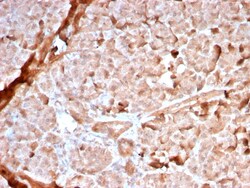
Biotium Mitochondria (Marker for Human Cells, Granular RCC's & Salivary Tumors)(MTC02/2860R), CF647 conjugate, 0.1mg/mL
This MAb recognizes a 60 kDa antigen associated with the mitochondria in human cells. It can be used to stain mitochondria in cell or tissue preparations and can be used as a mitochondrial marker in subcellular fractions. It produces a spaghetti-like pattern in normal and malignant cells. This antibody is an excellent marker for human cells in xenographic model research. It reacts specifically with human cells, including neurons and embryonic stem cells. Immunostaining pattern with anti-mitochondrial MAb has been reported as a useful discriminatory adjunct in the complex differential diagnosis of granular renal cell tumors. Reportedly, this MAb facilitates the classification of salivary tumors. Primary antibodies are available purified, or with a selection of fluorescent CF Dyes and other labels. CF Dyes offer exceptional brightness and photostability. Note: Conjugates of blue fluorescent dyes like CF405S and CF405M are not recommended for detecting low abundance targets
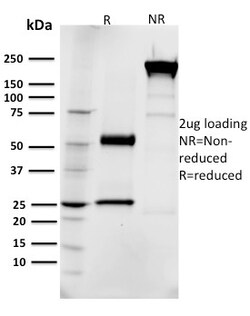
Biotium EGFR (Epidermal Growth Factor Receptor)(R1), CF647 conjugate, 0.1mg/mL
This MAb recognizes a protein of 170 kDa, identified as EGFR. EGFR is type I receptor tyrosine kinase with sequence homology to erbB-1, -2, -3 -4 or HER-1, -2, -3 -4. It binds to Epidermal Growth Factor (EGF), Transforming Growth Factor-a (TGF-a), Heparin-binding EGF (HB-EGF), amphiregulin, betacellulin and epiregulin. EGFR is overexpressed in tumors of breast, brain, bladder, lung, gastric, head neck, esophagus, cervix, vulva, ovary, and endometrium. It is predominantly present in squamous cell carcinomas. Primary antibodies are available purified, or with a selection of fluorescent CF Dyes and other labels. CF Dyes offer exceptional brightness and photostability. Note: Conjugates of blue fluorescent dyes like CF405S and CF405M are not recommended for detecting low abundance targets, because blue dyes have lower fluorescence and can give higher non-specific background than other dye colors.
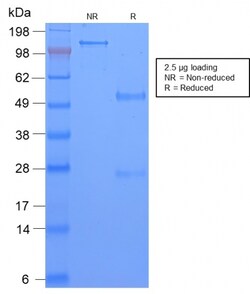
Biotium TAG-72 / CA72.4 (Tumor-Associated Glycoprotein)(CA72/2869R), CF647 conjugate, 0.1mg/mL
Recognizes an oncofetal antigen of 220 kDa, identified as a tumor-associated glycoprotein (TAG-72) with properties of a mucin. This MAb defines the mucin-carried sialylated-Tn epitope. TAG-72 is usually expressed by adenocarcinomas, but is negative in mesotheliomas. Studies have reported that this antibody has 80% sensitivity and 93% specificity for pulmonary adenocarcinoma. Therefore, TAG-72 is a useful marker to distinguish between mesothelioma and adenocarcinoma. However, false positive reactions can occur so results must be interpreted with the utmost caution. This antibody may be useful in the differentiation of non-small cell carcinomas from small cell carcinomas of the lung. The combined use of anti-TAG-72 and anti-GCDFP-15 is valuable in the diagnosis of apocrine carcinoma. Primary antibodies are available purified, or with a selection of fluorescent CF Dyes and other labels. CF Dyes offer exceptional brightness and photostability. Note: Conjugates of blue fluoresc
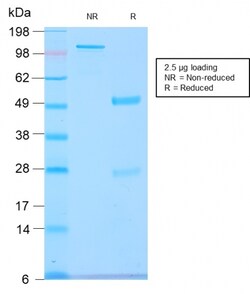
Biotium GnRH-Receptor / LH-RH Receptor(GNRHR/2982R), CF647 conjugate, 0.1mg/mL
Recognizes an epitope on the extracellular domain of gonadotropin releasing hormone (GnRH) receptor or luteinizing hormone receptor (LHCGR). Lutropin (also designated luteinizing hormone) plays a role in spermatogenesis and ovulation by stimulating the testes and ovaries to produce steroids. Gonadotropin (also designated choriogonadotropin) production in the placenta maintains estrogen and progesterone levels during the first trimester of pregnancy. Ovaries and testes abundantly express luteinizing hormone/choriogonadotropin receptor. GnRH receptor contains seven hydrophobic transmembrane domains connected by hydrophilic extracellular and intracellular loops characteristic of G-protein coupled receptors. GnRH stimulates the gonadotrophs of the anterior pituitary to secrete luteinizing hormone (LH) as well as follicle-stimulating hormone (FSH). GnRH influences the protective effect of pregnancy and Gonadotropin against breast cancer. The expression of GnRH on breast carcinoma
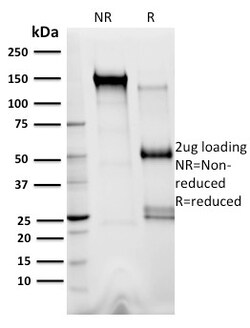
Biotium XRCC3(10F1/6), CF647 conjugate, 0.1mg/mL
The x-ray repair cross-complementing (XRCC) proteins are responsible for efficiently repairing and maintaining genetic stability following DNA base damage. These genes share sequence similarity with the yeast DNA repair protein Rad51. XRCC1 is a protein that facilitates the DNA base excision repair pathway by interacting with DNA ligase III and DNA polymerase to repair DNA single-strand breaks. XRCC2 and XRCC3 are both involved in maintaining chromosome stability during cell division. XRCC2 is required for efficient repair of DNA double-strand breaks by homologous recombination between sister chromatids, and XRCC3 interacts directly with Rad51 to cooperate with Rad51 during recombinational repair. XRCC4 is an accessory factor of DNA Ligase IV that preferentially binds DNA with nicks or broken ends. XRCC4 binds to DNA Ligase IV and enhances its joining activity, and it is also involved in V(D)J recombination. Any defect in one of the known components of the DNA repair/V(D)J re
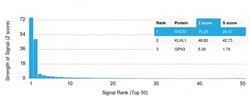
Biotium RAD51 (Prognostic and Response to Chemotherapy Marker)(RAD51/2701), CF647 conjugate, 0.1mg/mL
RAD51 is one of the key factors of DNA repair by homologous recombination and has been shown to have anti-apoptotic activity in tumor cells. RAD51 protein interacts with a variety of tumor suppressor proteins including p53, BRCA1 and BRCA2. Elevated expression of RAD51 enhances radio-resistance of human tumor cells. Overexpression of RAD51 protein in tumor cells renders them resistant against cytotoxic drugs like Cisplatin. RAD51 interacts with BRCA1 and BRCA2 to influence subcellular localization and cellular response to DNA damage. BRCA2 inactivation may be a key event leading to genomic instability and tumorigenesis from deregulation of RAD51. High-level expression of RAD51 has been observed in a variety of human malignancies. RAD51 overexpression correlates with histological grading of the tumor in invasive ductal mammary carcinoma. Primary antibodies are available purified, or with a selection of fluorescent CF Dyes and other labels. CF Dyes offer exceptional brightnes
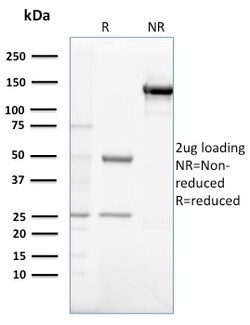
Biotium Gastrin(GAST/2632), CF647 conjugate, 0.1mg/mL
Gastrin, is a hormone that normally formed by mucosal cells in the gastric antrum and by the D cells of the pancreatic islets. Its primary function is to stimulate secretion of HCl by the gastric mucosa. HCl, in turn, inhibits gastrin formation. It also responsible for stimulating smooth muscle contraction and increasing blood circulation and water secretion in the stomach and intestine. Gastrin is regulated by epidermal growth factor in both mice and humans. Gastrin is excreted in excess by pancreatic tumors in the Zollinger-Ellison syndrome. Gastrin-Releasing Peptide (GRP) stimulates the release of gastrin as well as other gastrointestinal hormones and also acts as an autocrine growth factor for certain cell types. High levels of GRP are found in the human lung just after birth and levels decrease thereafter in parallel with the observed disease in a number of pulmonary neuroendocrine cells. GRP is known to promote lung tumorigenesis in model systems. Primary antibodies are
Biotium GLUT-1 (Tumor Progression and Mesothelioma Marker) (GLUT1/2476), CF647 conjugate, 0.1mg/mL
This antibody recognizes a protein of 55 kDa, which is identified as GLUT-1. Glucose transporters are integral membrane glycoproteins involved in transporting glucose into most cells. There are many types of glucose transport carrier proteins, designated as Glut-1 to Glut-12. Glut-1 is a major glucose transporter in the mammalian blood-brain barrier. It is expressed in high density on the membranes of human erythrocytes and the brain capillaries that comprise the blood-brain barrier. Glut-1 is expressed at variable levels in many human tissues. Overexpression of Glut-1 has been linked to tumor progression or poor survival of patients with carcinomas of the colon, breast, cervical, lung, bladder and mesothelioma. Glut-1 is a sensitive and specific marker for the differentiation of malignant mesothelioma (positive) from reactive mesothelium (negative).Primary antibodies are available purified, or with a selection of fluorescent CF Dyes and other labels. CF Dyes offer exceptional b
Biotium Topoisomerase I, Mitochondrial (TOP1MT) (TOP1MT/2883R), CF647 conjugate, 0.1mg/mL
DNA topoisomerases are nuclear enzymes that regulate the topological structure of DNA in eukaryotic cells by transiently breaking and rejoining DNA strands. Due to their roles in DNA replication, recombination, and transcription, DNA topoisomerases have been identified as targets of numerous anticancer drugs. Mitochondrial Topo I (DNA topoisomerase I, mitochondrial) is a 601 amino acid protein that primarily acts to relieve DNA strain that may occur during duplication of mitochondrial DNA. As a type IB topoisomerase, mitochondrial Topo I requires a divalent metal, either, calcium or magnesium, as well as an alkaline pH for optimal activity.Primary antibodies are available purified, or with a selection of fluorescent CF Dyes and other labels. CF Dyes offer exceptional brightness and photostability. Note: Conjugates of blue fluorescent dyes like CF405S and CF405M are not recommended for detecting low abundance targets, because blue dyes have lower fluorescence and can give high
Biotium NKX6.1 (Marker for Pancreatic and Duodenal Neuroendocrine Tumors) (NKX61/2561), CF647 conjugate, 0.1mg/mL
Members of the Nkx family of homeodomain proteins are key regulators of growth and development in several tissues, including brain, heart and pancreas. During neural development, sonic hedgehog (Shh) is known to control cell fate and mitogenesis, which is correlated with Shh dose-dependent expression of several genes, including Nkx-6.1. Specifically, Nkx-6.1 is responsible for cellular differentiation in the ventral neural tube and spinal meninges in response to Shh. In the pancreas, Nkx-6.1 is exclusively expressed in the islets of Langerhans in differentiating and mature B cells, which produce Insulin. The presence of Pdx-1 is required for the expression of Nkx-6.1 as well as other pancreatic B cell specific genes, including Insulin, Glut2 and IAPP. Subsequently, Nkx-6.1 binds to the DNA consensus sequence, TTAATTAC, to direct the repression of specific genes in B cells.Nkx6.1 is highly expressed in pancreatic and duodenal well-differentiated neuroendocrine tumors (WDNETS) and i